PREVIEWS + TEASERS
A first look at the key contributors, writers, and artists featured in Land of the Rising Mic, EXPLORING the origins, evolution, and cultural impact of Japanese hip-hop.
-
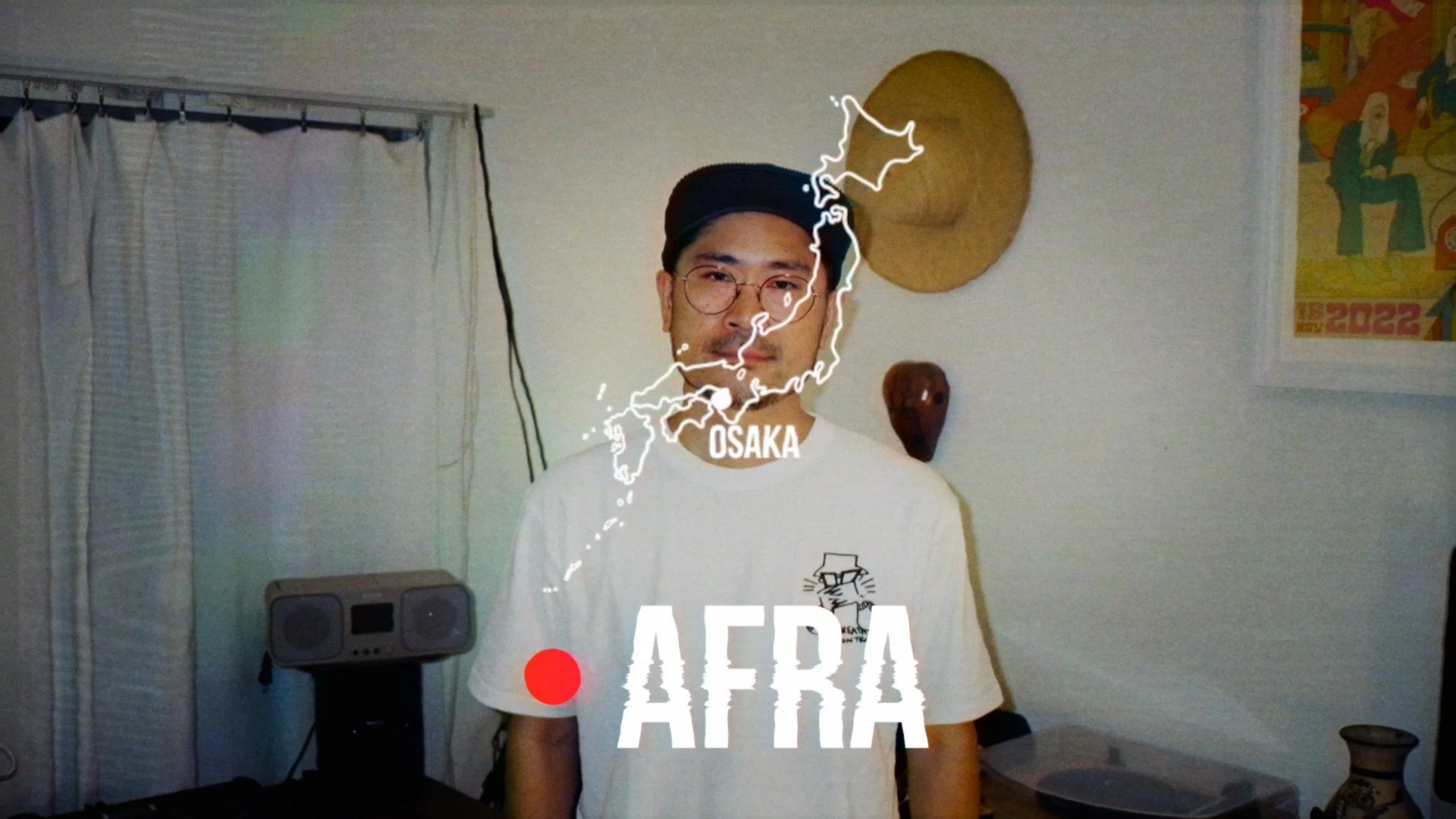
Afra, born Akira Fujioka in Suita, Osaka, is widely regarded as Japan’s pioneering human beatboxer. Inspired by a 1996 performance by Rahzel in New York’s Central Park, Afra began teaching himself beatboxing. After high school, he moved to New York to immerse himself in the hip-hop scene, training with Kenny Muhammad and joining the MB2000 crew. Afra gained international recognition as the first Japanese beatboxer featured in the documentaries Scratch (2001) and Breath Control (2002). His 2004 Fuji Xerox commercial brought beatboxing to mainstream Japanese audiences. In 2009, he collaborated with DMC of Run-DMC for adidas Originals’ global “House Party” campaign, reworking “My Adidas.” In 2005, Afra formed Afra & the Incredible Beatbox Band with Kei and K-Moon, releasing albums like Always Fresh Rhythm Attack and Heart Beat, which showcased beatboxing without instrumental accompaniment. Afra has performed at major festivals worldwide, including Sonar (Spain), Big Day Out (Australia), and Summer Sonic (Japan). He also appeared in anime series such as Samurai Champloo and Devilman Crybaby. Currently, Afra continues to perform, teach, and judge beatboxing events across Japan. He collaborates on cultural and gaming projects, such as Izanagi Games’ Project RAP, and mentors emerging talent, furthering the art of beatboxing in Japan and worldwide.
-
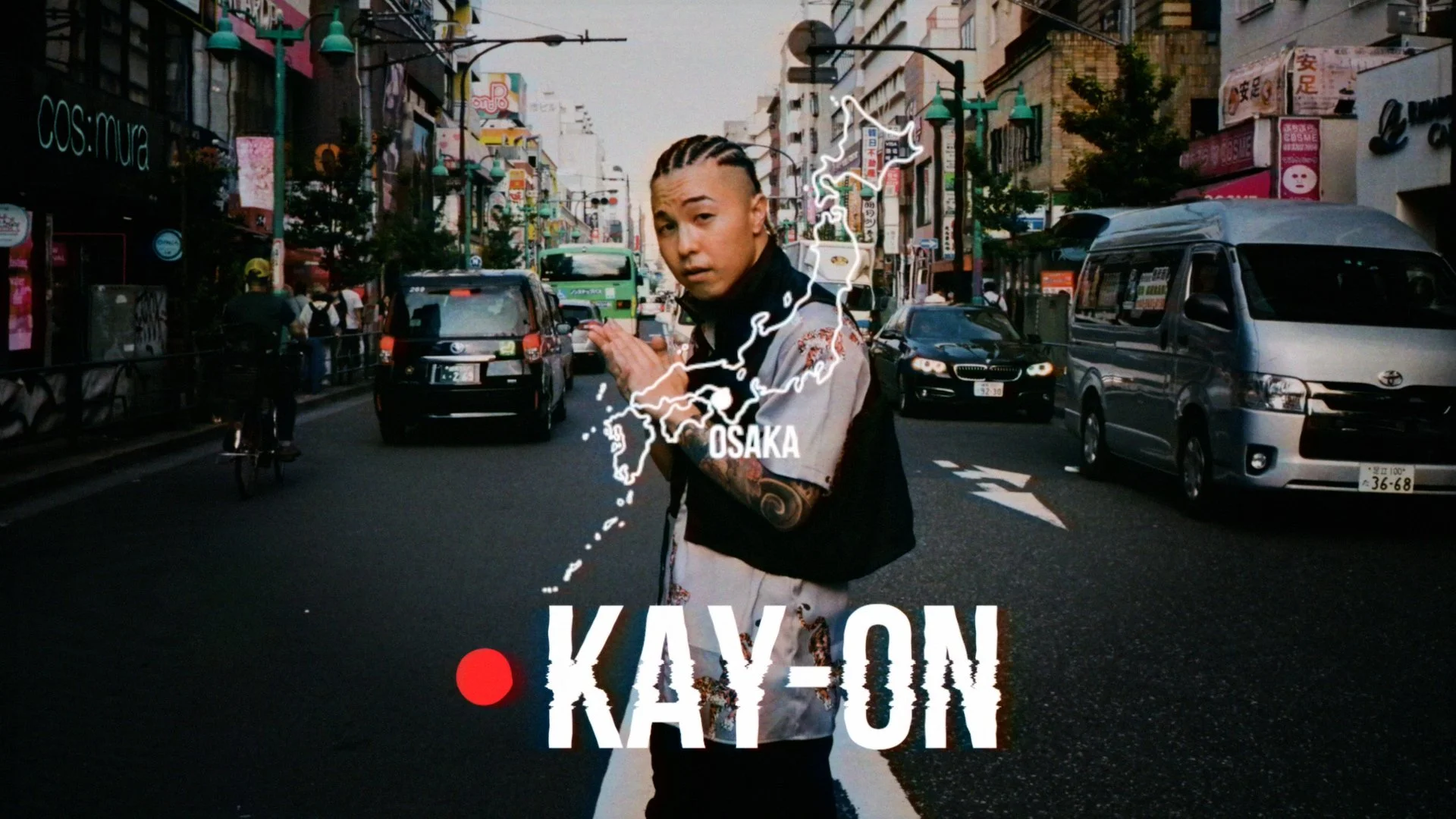
Based in Osaka, Kayon blends the sharp lyricism of Japanese hip hop with the emotional resonance of his Korean heritage. Born Kwi-yeong (귀영), he is a proud Zainichi Korean, drawing from the liminal space between cultures. That space has long defined hip hop as a platform for marginalized voices. Kayon first rose to prominence through the “高校生ラップ選手権” (High School Rap Championship). After taking time away from music, he returned with greater clarity, collaborating with his R&B producer brother, Kwiseon, and weaving melodic textures into his rap. Performing under both “Kayon” and SAND₩ICH GANG, he has continued to release music that reflects his evolution and range. His identity as a Korean-Japanese artist is not just context. It is core to his sound. He uses hip hop not only as a craft, but as a way to speak on belonging, identity, and the creative power that comes from living between cultures.
-
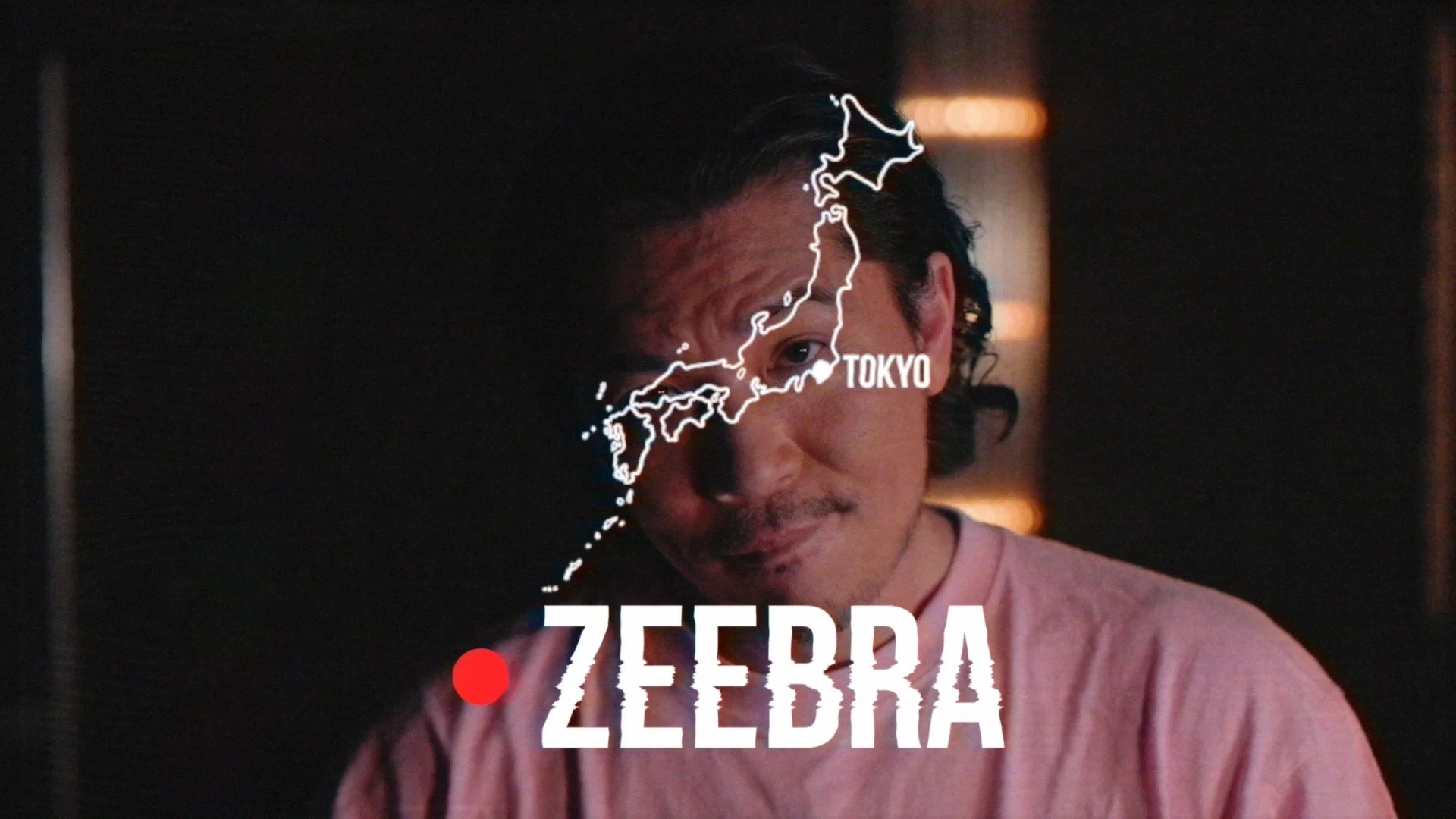
Born Hideyuki Yokoi, Zeebra came up in Tokyo’s underground, helping to define what Japanese rap would be. As 1/3rd of King Giddra, he brought political urgency and raw lyricism to the mic, proving that hip hop in Japan could speak truth to power. Going solo with The Rhyme Animal, he became one of the first to take Japanese-language rap mainstream. But Zeebra didn’t just chase charts. He built platforms—from hosting MTV shows to film and television, founding B-Boy Park, and mentoring the next wave of MCs. To him, hip hop was never just music. It was a movement. A way to challenge norms, question authority, and claim space in a culture that once dismissed rap as “foreign noise.” Three decades later, his voice still echoes through the scene. He remains active today, producing hit shows like Freestyle Dungeon, hosting engaging podcasts, and continuing to shape the culture he helped create.
-
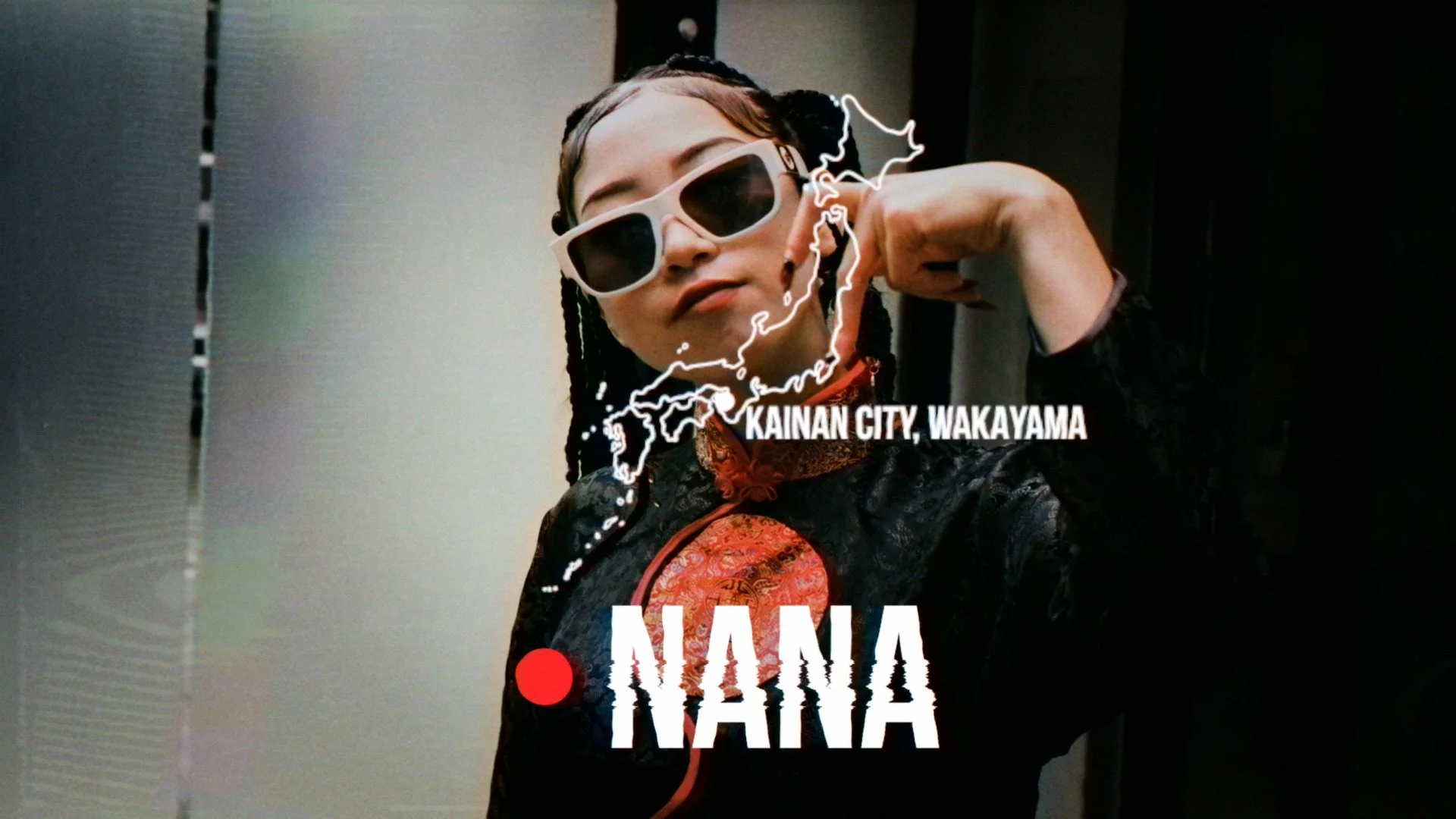
Meet 7 (ナナ / “Nana”), one of Japan’s rising woman rappers rewriting the rules of flow, identity, and voice. From the underground to the spotlight, 7 carries stories untold with raw lyricism and fearless presence. Her breakout came with her “7/11 freestyle,” a bold, unfiltered track that announced her arrival by not only garnering domestic attention but also going viral in the States. Her voice is entirely novel, cutting through the beat with grit and clarity. She balances urgency with precision, delivering bars that feel both lived-in and unpredictable. With her dynamic flow and fearless approach, 7 continues to shape the future of Japanese hip hop and beyond.
-
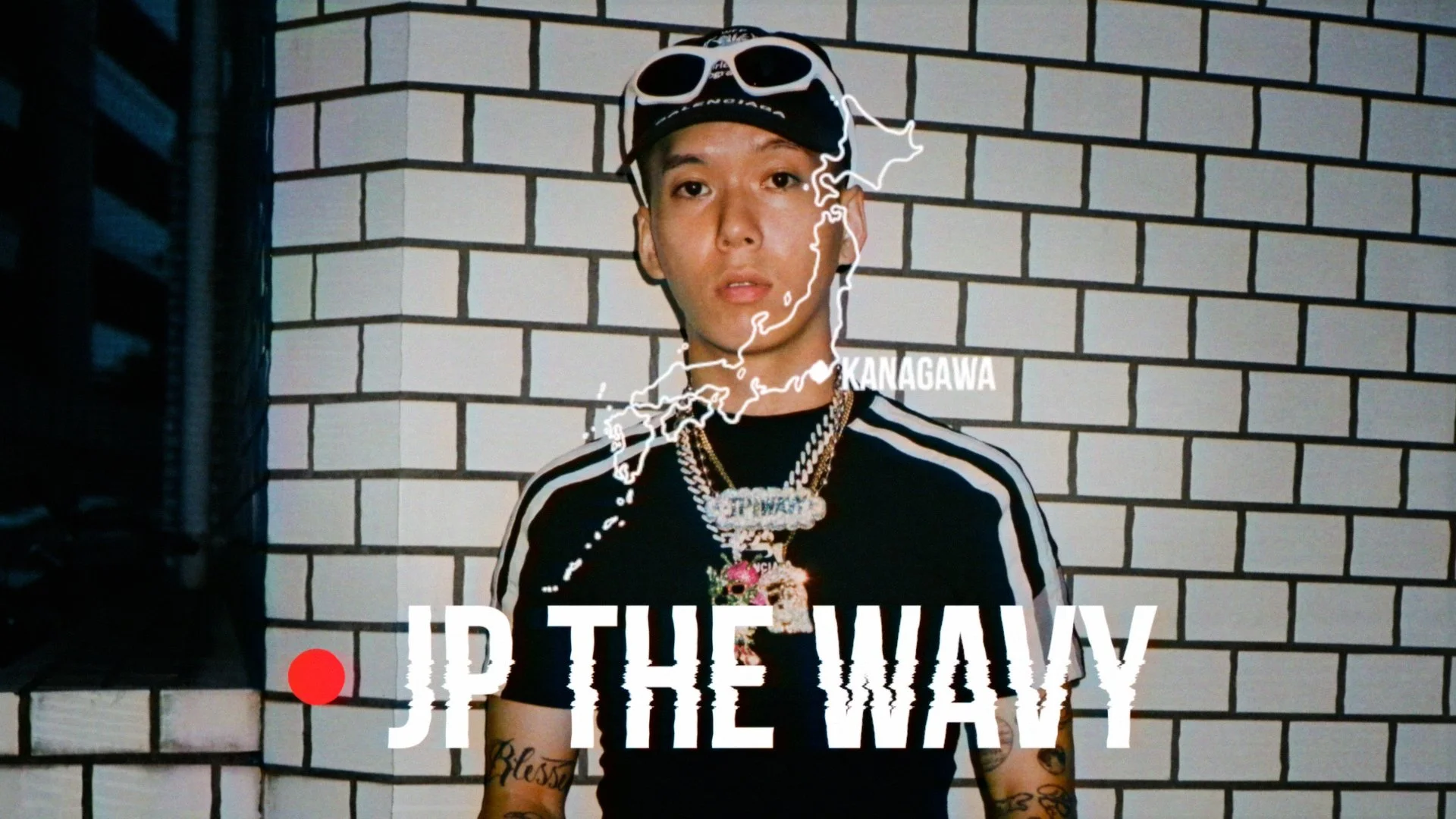
Born in 1993 in Shōnan, Kanagawa, Japan, JP THE WAVY (formerly known as Lil Right) emerged from the scene with a fresh, international sound that resonated both locally and globally. Drawing inspiration from 2000s hip-hop and modern trap, he quickly became a standout figure in Japan’s hip-hop landscape. JP’s breakthrough came in 2017 with his viral hit “Cho Wavy De Gomenne (Remix),” which amassed over 20 million views and solidified his place in the Japanese music scene. His collaborations with artists like Yyellowbucks, Lex, and Awich further showcased his versatility and appeal. In 2024, JP took on the role of producer for Psychic Fever from EXILE TRIBE’s EP 99.9 Psychic Radio, crafting the lead track “Just Like Dat” featuring himself. The song became a viral sensation, amassing over 240 million views on TikTok and propelling the group’s international presence. Beyond music, JP is recognized for his distinct fashion sense, often blending streetwear with high-end pieces, and has expressed interest in launching his own fashion brand in the future. With his dynamic performances and innovative approach to music, JP THE WAVY continues to shape the future of Japanese hip-hop and beyond.
-
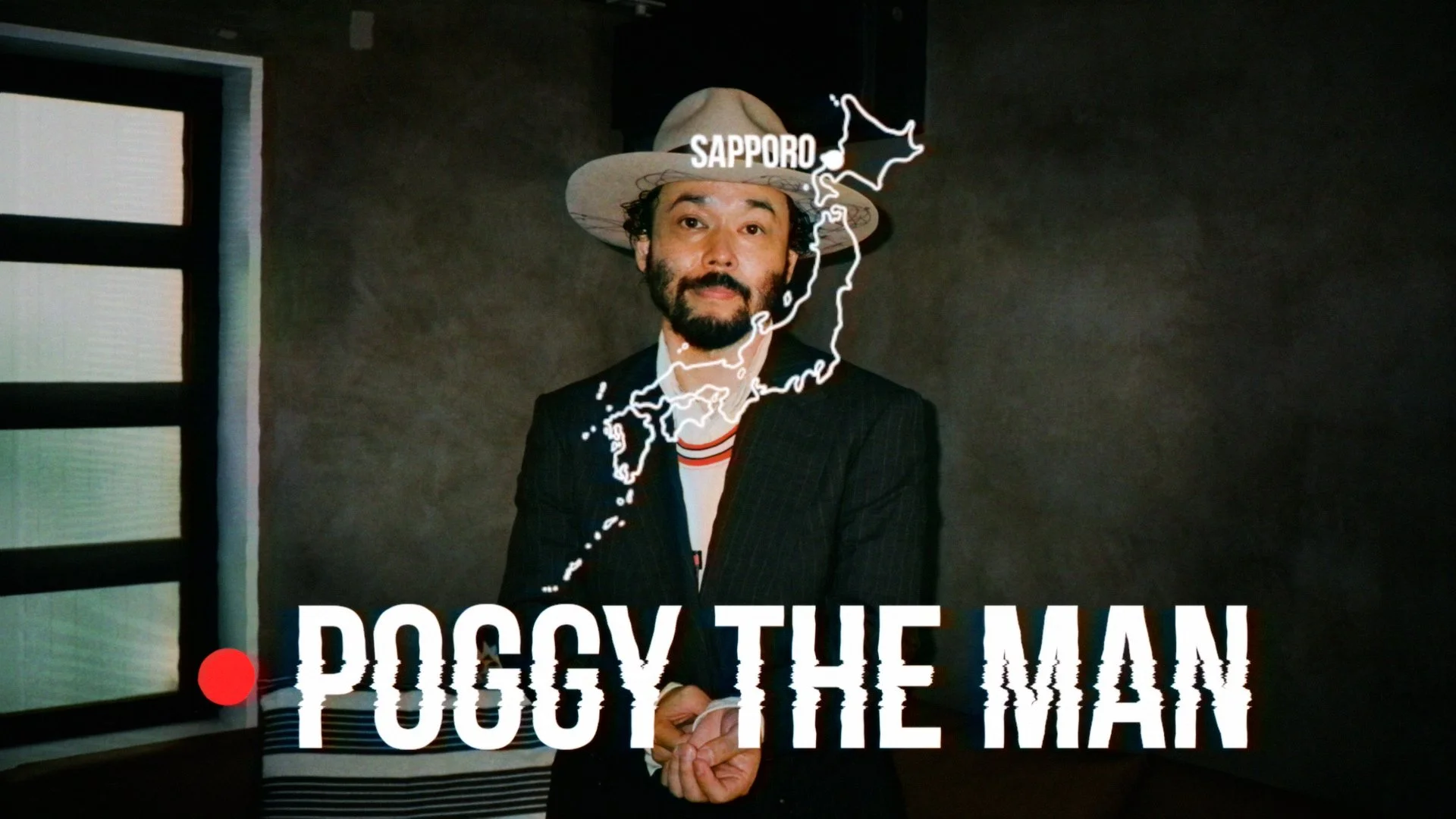
A pioneer of sartorial streetwear way before it became global currency, Poggy has spent decades merging worlds once thought apart, blending tailoring and streetwear, vintage and high fashion. From Tokyo, New York, London, Paris, and beyond, he balances tradition and rebellion, and styles to the T. As former creative director of UNITED ARROWS & SONS and the mind behind countless cross-cultural collaborations, Poggy has helped define how Japan interprets hip-hop style, not as imitation, but innovation. His work has connected him with artists and icons like Pharrell, A$AP Rocky, and more, all drawn to his ability to translate the language of culture into style. From pop-ups like Poggy’s Box to capsule collections with Levi's, Visvim, Thom Browne, and more, Poggy champions individuality as a form of dialogue between East and West, luxury and street, music and human connection. Always curious. Always ahead, he remains one of Japan’s most influential style architects, a tastemaker whose impact extends far beyond the fit.
-
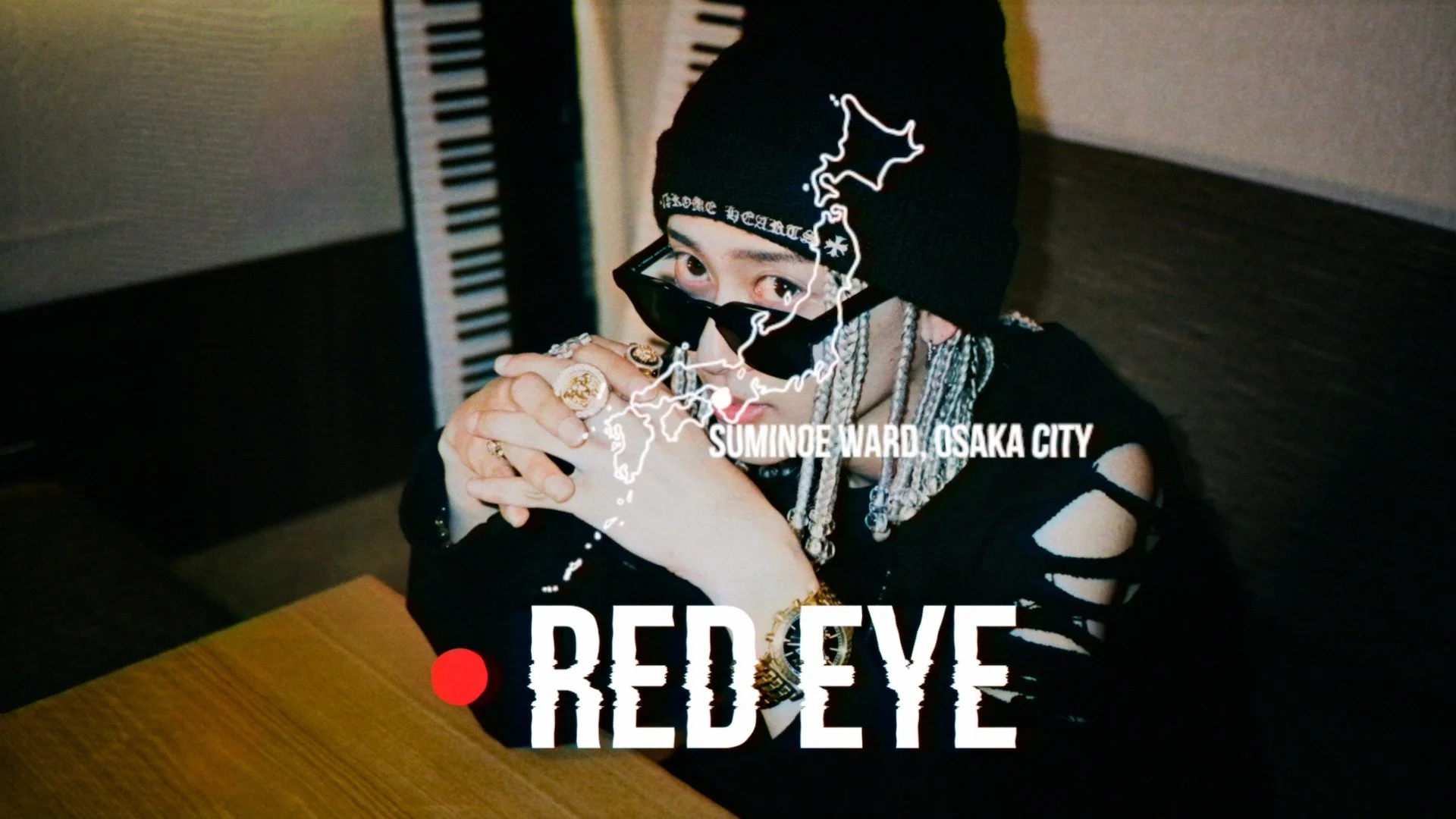
Rising from the underground with a relentless work ethic and a voice sharpened by real-life experience, RedEye built his name on raw honesty and explosive energy. His music moves between hard-edged street rap and melodic introspection, capturing the tension of youth, ambition, and survival in modern Japan. Part of a new wave redefining Japanese hip-hop on its own terms, RedEye channels the global language of rap through a distinctly local lens. His sound carries the urgency of the streets with a perspective shaped by Japan’s evolving youth culture, where vulnerability, defiance, and hunger coexist in the same breath. Whether delivering razor-sharp bars or emotionally charged hooks, RedEye represents a generation that grew up online but refuses to be boxed in by borders. His music resonates far beyond Japan, connecting with listeners drawn to authenticity, intensity, and the universal pull of hip-hop as a form of self-definition.
-
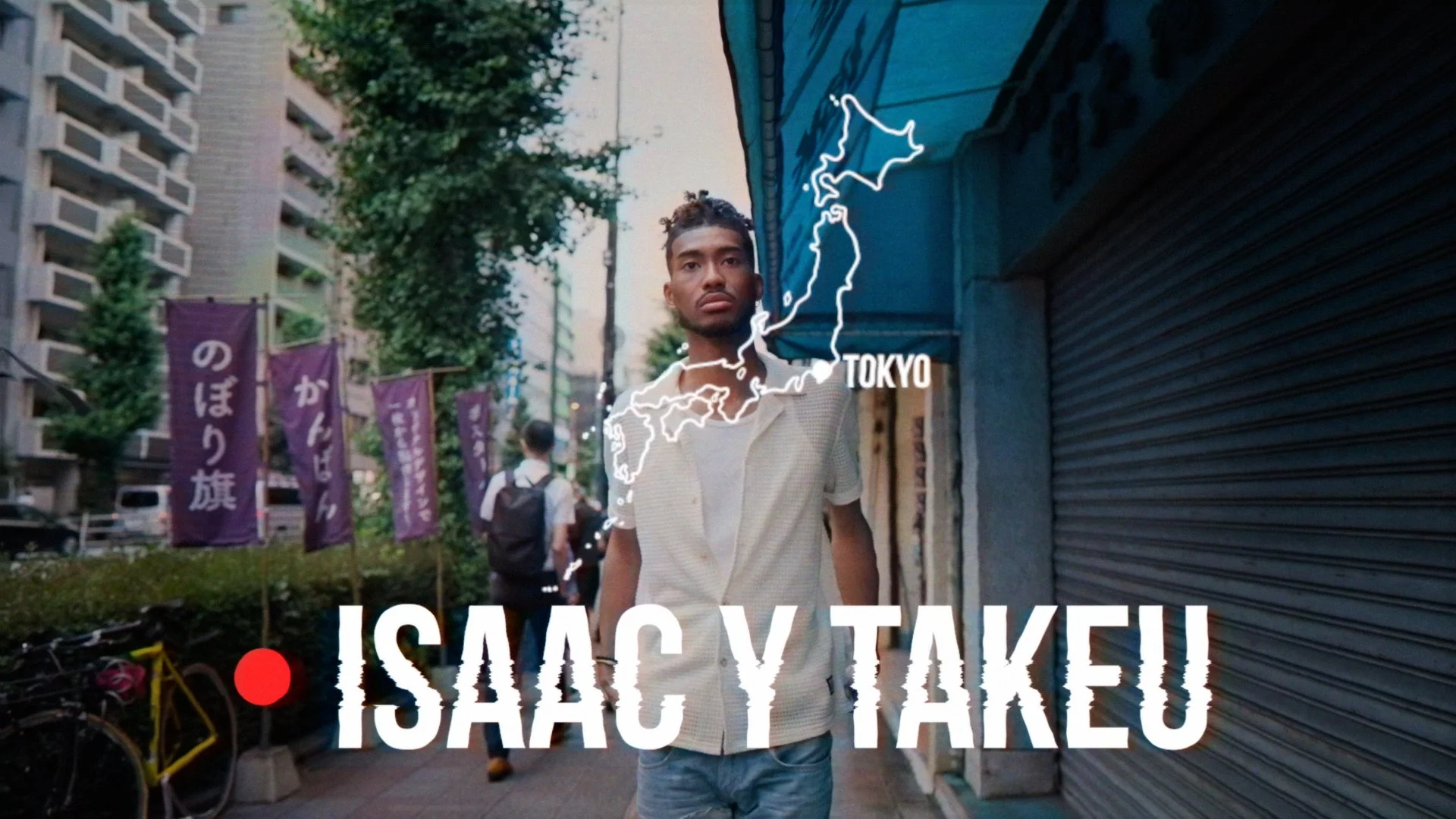
Filmmaker, host, and cultural storyteller amplifying new voices across Japan’s evolving hip-hop landscape. Born to a Japanese mother and a Cameroonian father and raised in Hokkaido, Isaac grew up navigating life between cultures in a country often defined by homogeneity. That experience became the foundation for his work: creating space for conversations about identity, creativity, and belonging in modern Japan. After high school, Isaac moved to Los Angeles to study filmmaking, where he deepened his connection to hip-hop culture and its power as a vehicle for expression, storytelling, and social dialogue. The influence of that time continues to shape his perspective — a global lens grounded in curiosity and cultural exchange. Back in Japan, Isaac launched the video podcast GOLDNRUSH platform, spotlighting artists, comedians, athletes, and creators from diverse backgrounds. Through relaxed, thoughtful conversations—often in Japanese with bilingual subtitles—the show explores the evolving meaning of being Japanese in a globalized world. His ability to create open, human dialogue has helped GOLDNRUSH reach millions of viewers and establish itself as one of the country’s most culturally relevant interview platforms. Whether behind the camera or across the table from his guests, Isaac approaches storytelling with empathy, humor, and an instinct for the conversations that move culture forward.
-
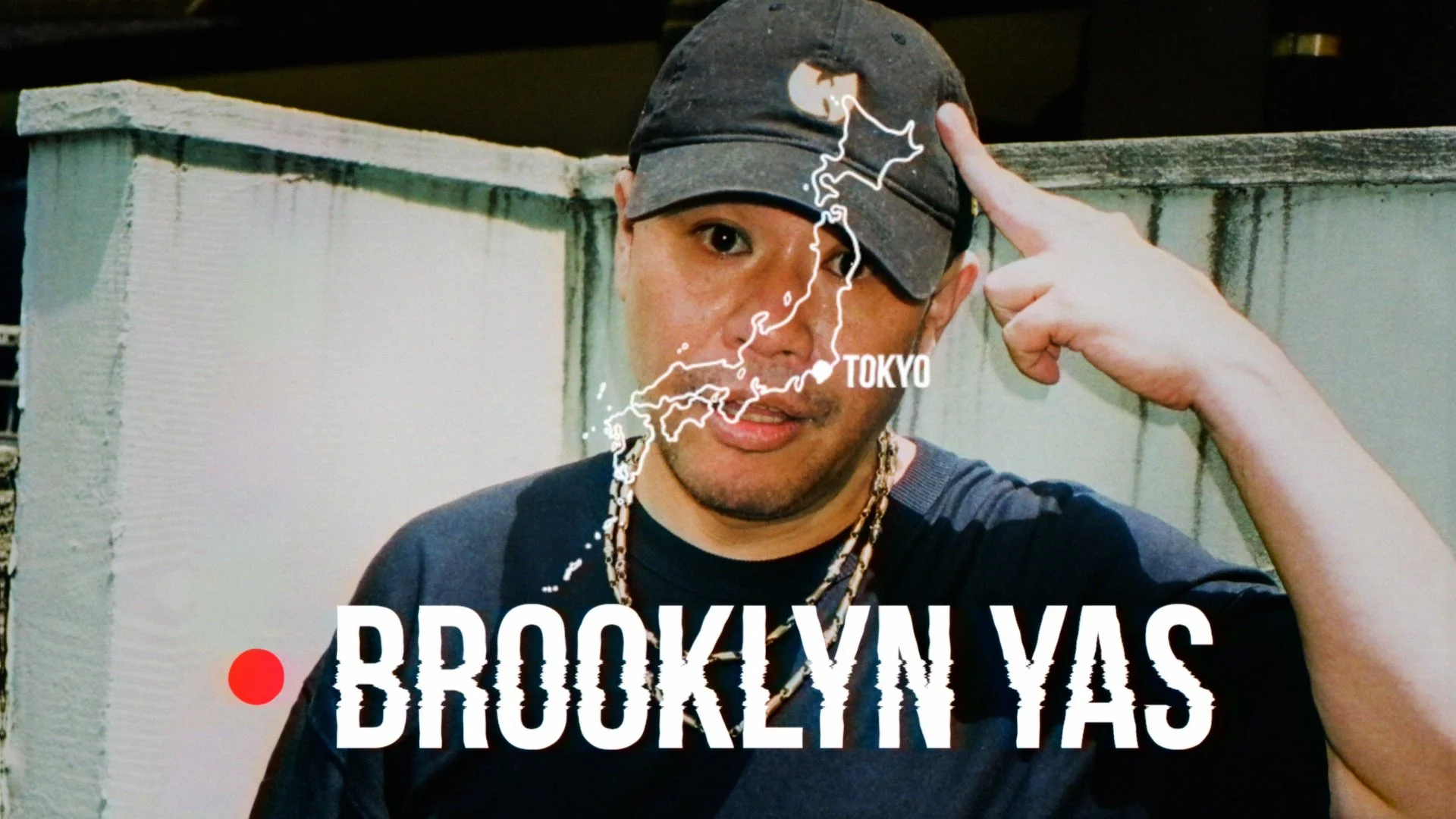
A DJ, producer, fixer, and foundational figure in Japan’s hip-hop movement, known for helping shape the culture’s earliest sound and identity. Born in Tokyo and raised in West Tokyo, Yas came up during the initial wave of hip-hop’s arrival in Japan in the 1980s, when access to the culture was limited and largely driven by imported records and word of mouth. Influenced by artists like Public Enemy, he developed his craft on turntables at a time when few dedicated spaces for hip-hop existed. As a producer and DJ, he contributed to key records during the scene’s formative years, most notably through his work on the landmark track “証言 (Shōgen)” by LAMP EYE, widely regarded as a defining moment in Japanese rap history. During his time studying in the United States, Yas has spoken about building relationships within the culture firsthand, including a friendship with Talib Kweli, further shaping his perspective on hip-hop as a global dialogue rather than a regional movement. Often referred to as “Brooklyn Yas,” the name reflects a deep respect for hip-hop’s origins in New York, signaling the transnational exchange that has long informed his work. Across decades, Yas has remained a steady presence in the evolution of the culture in Japan, helping build a foundation that continues to influence new generations. As he’s put it, the goal is to create something that lasts, because only when something transcends generations can it truly be called culture.
-
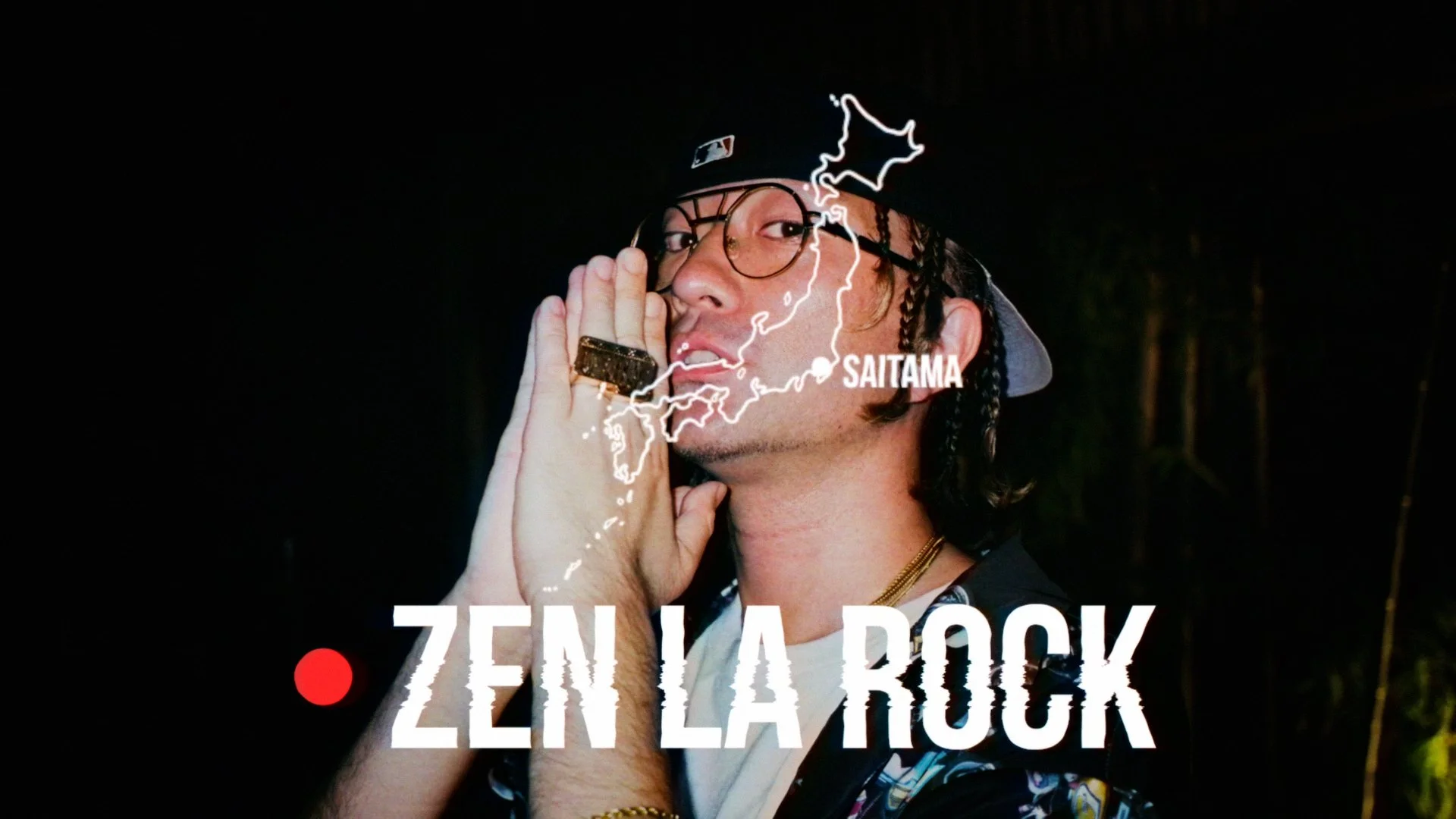
ZEN-LA-ROCK is a Tokyo-based rapper, DJ, producer, and creative, active in Japan’s hip-hop and club music scene since the late 1990s. He began his career as a DJ in Tokyo, performing in clubs during a period when Japan’s hip-hop and dance music culture was expanding through underground venues and independent events. Over time, he expanded into rapping and production, working across multiple roles within live performance and recorded music. ZEN-LA-ROCK is currently a member of the hip-hop group FNCY alongside G.RINA and Chinza DOPENESS. The group has released music together as a collaborative unit within Japan’s contemporary hip-hop scene, and continues to perform live, often described as blending styles in a way that feels at once novel and nostalgic.
-
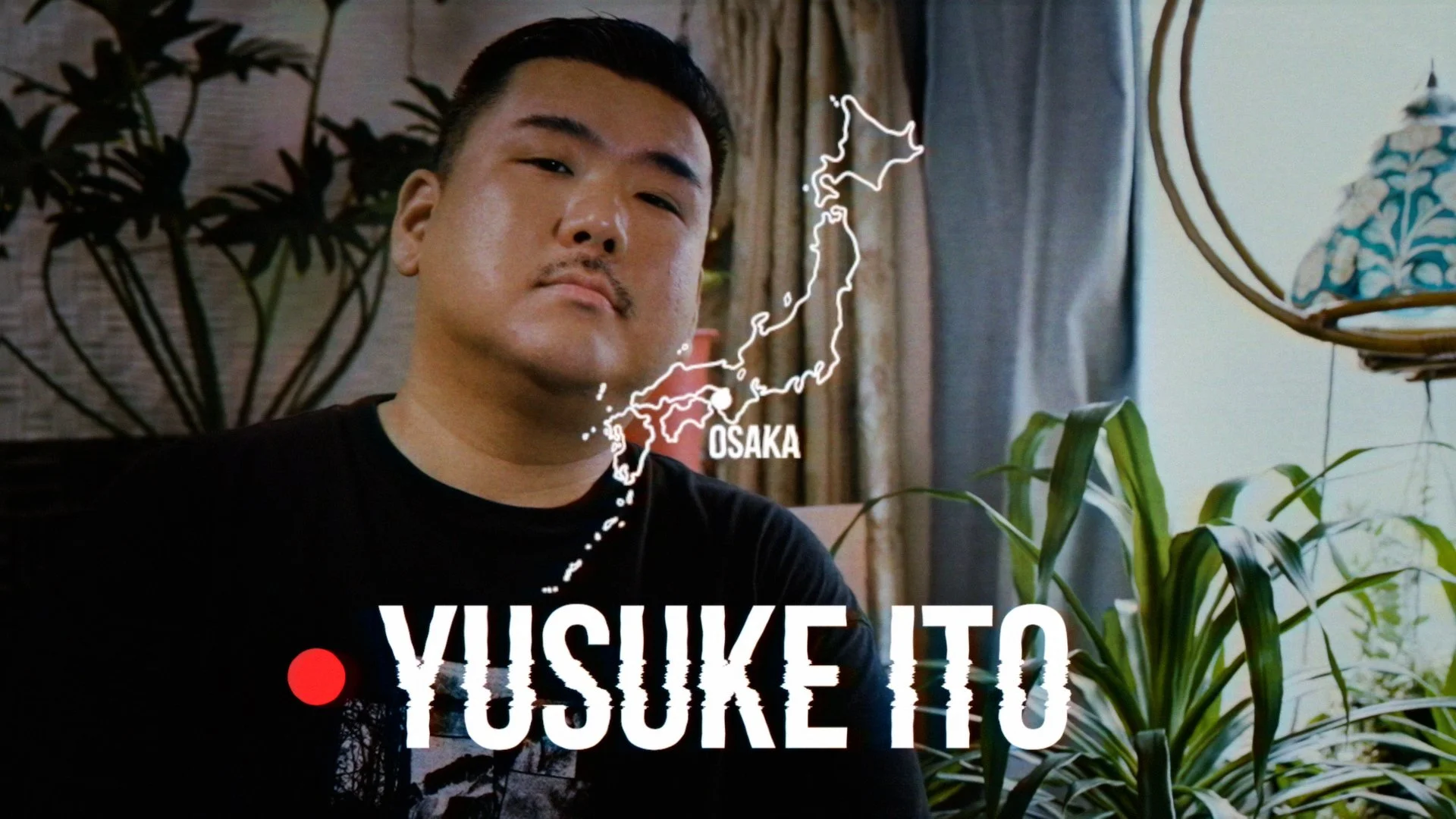
Meet Yusuke Ito, Japanese producer, journalist, writer, editor, and Editor-in-Chief of BLAST Magazine, a Japan-based hip-hop publication that played a key role in documenting the development of the country’s rap and hip-hop culture through the late 1990s and early 2000s. BLAST emerged as part of an early wave of dedicated hip-hop media in Japan, alongside other foundational publications that helped translate, archive, and contextualize the genre for Japanese audiences as it evolved from an underground movement into a nationally recognized cultural force. Through editorial work, interviews, and scene documentation, Ito’s work has been part of a broader effort to chronicle hip-hop not only within Japan, but also its global lineage—engaging with some of the most influential voices in hip-hop culture internationally, and helping bridge perspectives between Japan and the U.S. hip-hop landscape. BLAST Magazine remains recognized within Japanese hip-hop history as part of the generation of independent publications that helped define how the culture was recorded, discussed, and preserved during a formative era of growth.
-
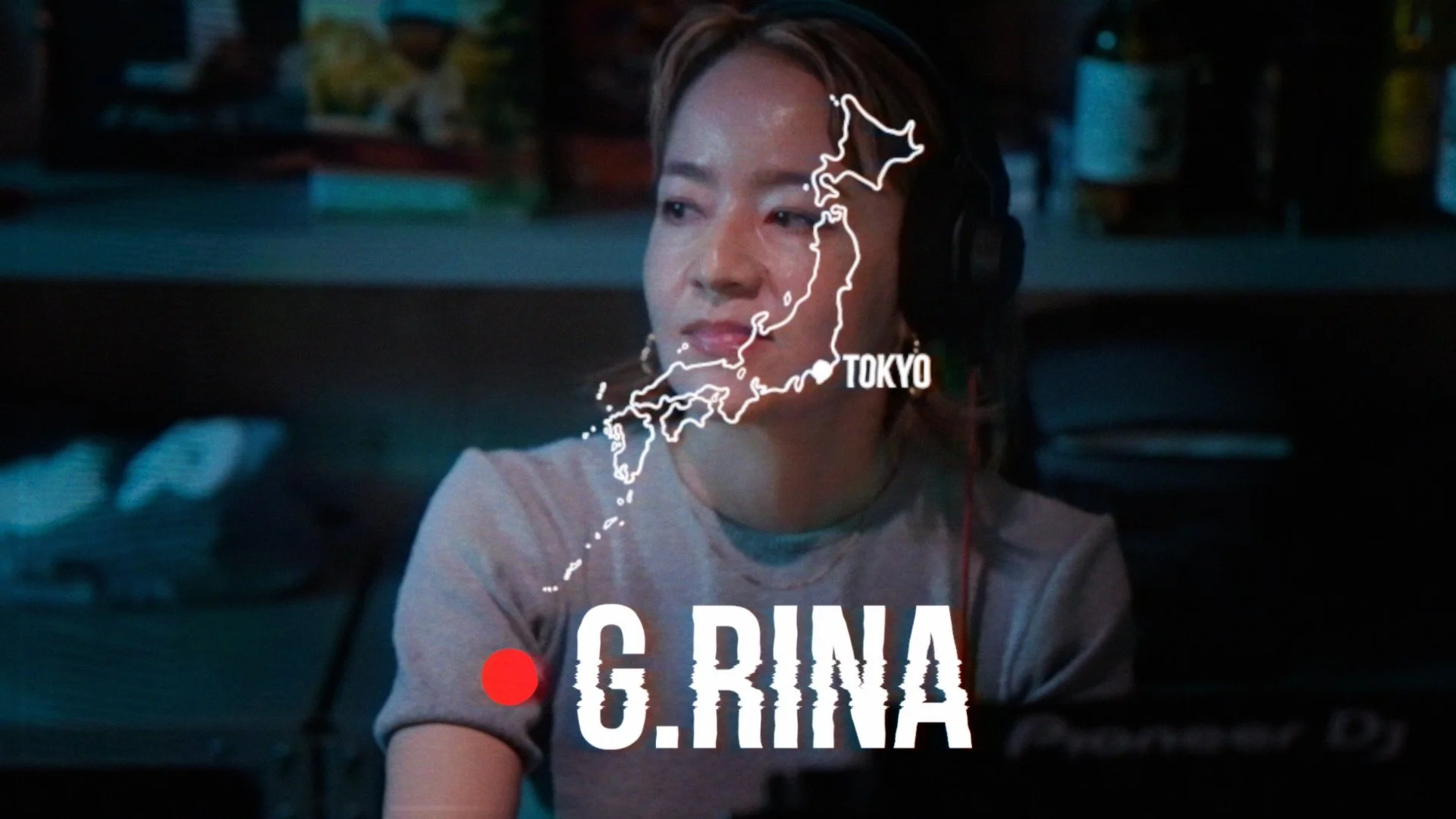
Meet G.RINA, a Tokyo-based singer, songwriter, DJ, and producer whose work spans R&B, electronic music, and hip-hop, unified by a distinct focus on groove, space, and sonic restraint. She began in the 2000s as a vocalist in Japan’s R&B scene before expanding into production and DJ culture, evolving into a multidisciplinary artist shaped by club systems as much as songcraft. Her approach blurs roles — voice, rhythm, and production operating as one integrated language rather than separate disciplines. Within Japan’s hip-hop and club infrastructure — where production and DJ authorship have historically been male-dominated — G.RINA’s practice is defined less by positioning than by function: she operates as a builder of sound from within those systems, shaping tone, structure, and pacing with precision rather than volume. She is also a member of FNCY, the hip-hop group with ZEN-LA-ROCK and Chinza DOPENESS. In that context, she anchors melody and atmosphere, balancing Chinza DOPENESS’ lyrical intensity and ZEN-LA-ROCK’s performative energy — forming a Tokyo-native hip-hop language that is playful, self-aware, and deeply rooted in local club culture. Across solo work and collaborations, G.RINA remains a quiet structural force in Japan’s contemporary music landscape — shaping how records breathe, move, and hold space.
-
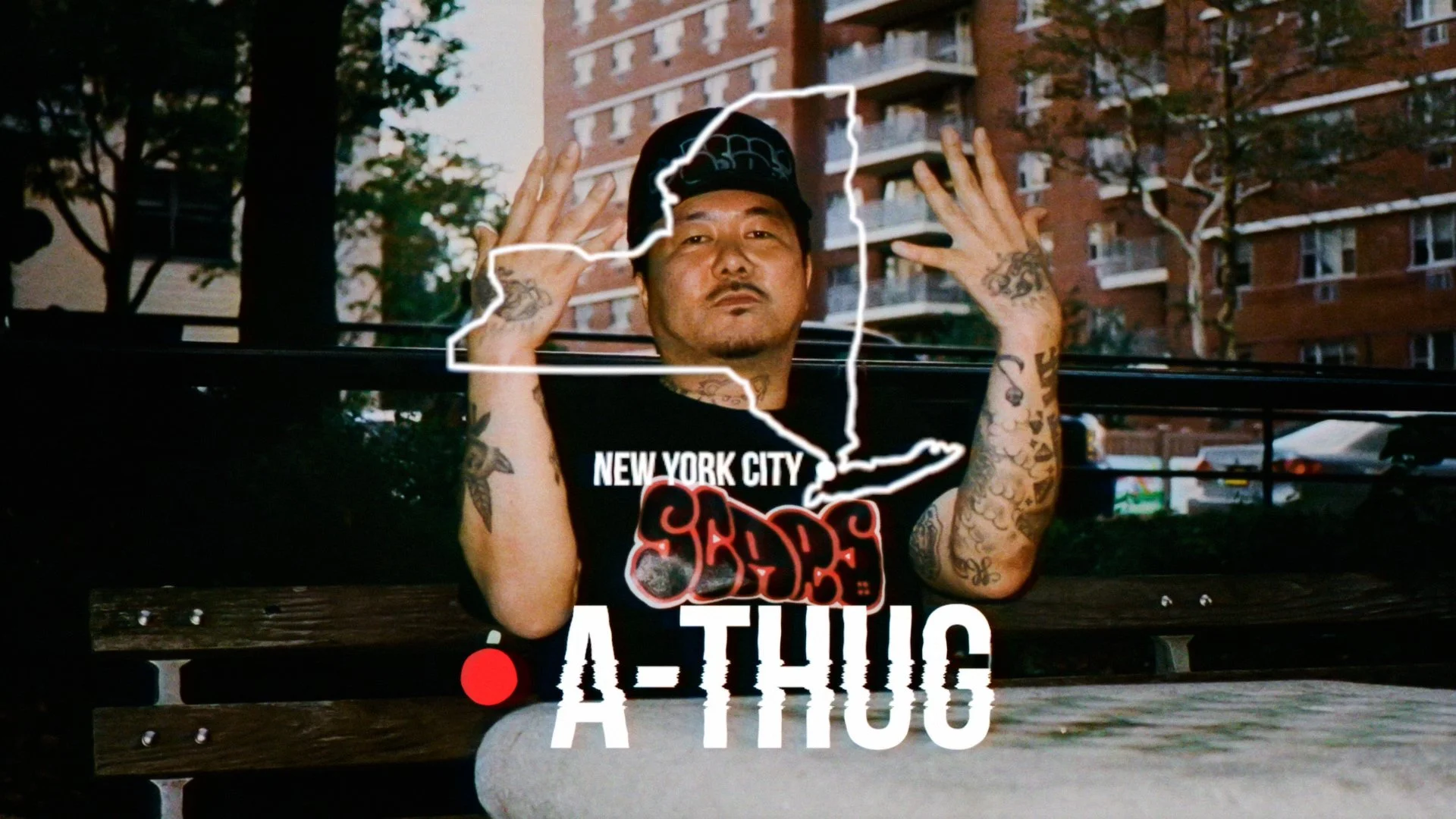
Meet A-THUG, a foundational voice in Japanese street rap and the leader of legendary hip-hop collective SCARS. Emerging from Kawasaki’s South Side, A-THUG helped shape a raw, uncompromising era of Japanese hip-hop rooted in lived experience, street realism, and an unfiltered dedication to the culture. As a founding force behind SCARS, he helped pioneer a sound that brought the realities of hustling, survival, and urban life into Japanese rap with a level of honesty that shifted the scene permanently. Known for his gritty lyricism, heavy atmosphere, and deeply personal storytelling, A-THUG bridges influences from New York street rap and Japan’s own underground identity. His music carries the weight of experience while reflecting the cultural crossroads that helped define modern Japanese hip-hop. Through projects like SCARS’ landmark album The Album and his solo work, including BRIGHT SON!! and STREET IS TALKING, A-THUG built a reputation as one of the genre’s most respected and influential voices — an artist whose impact continues to echo across generations of rappers in Japan. Whether delivering cold street narratives or reflective moments shaped by hardship and resilience, A-THUG represents a side of Japanese hip-hop built on authenticity above all else.
-
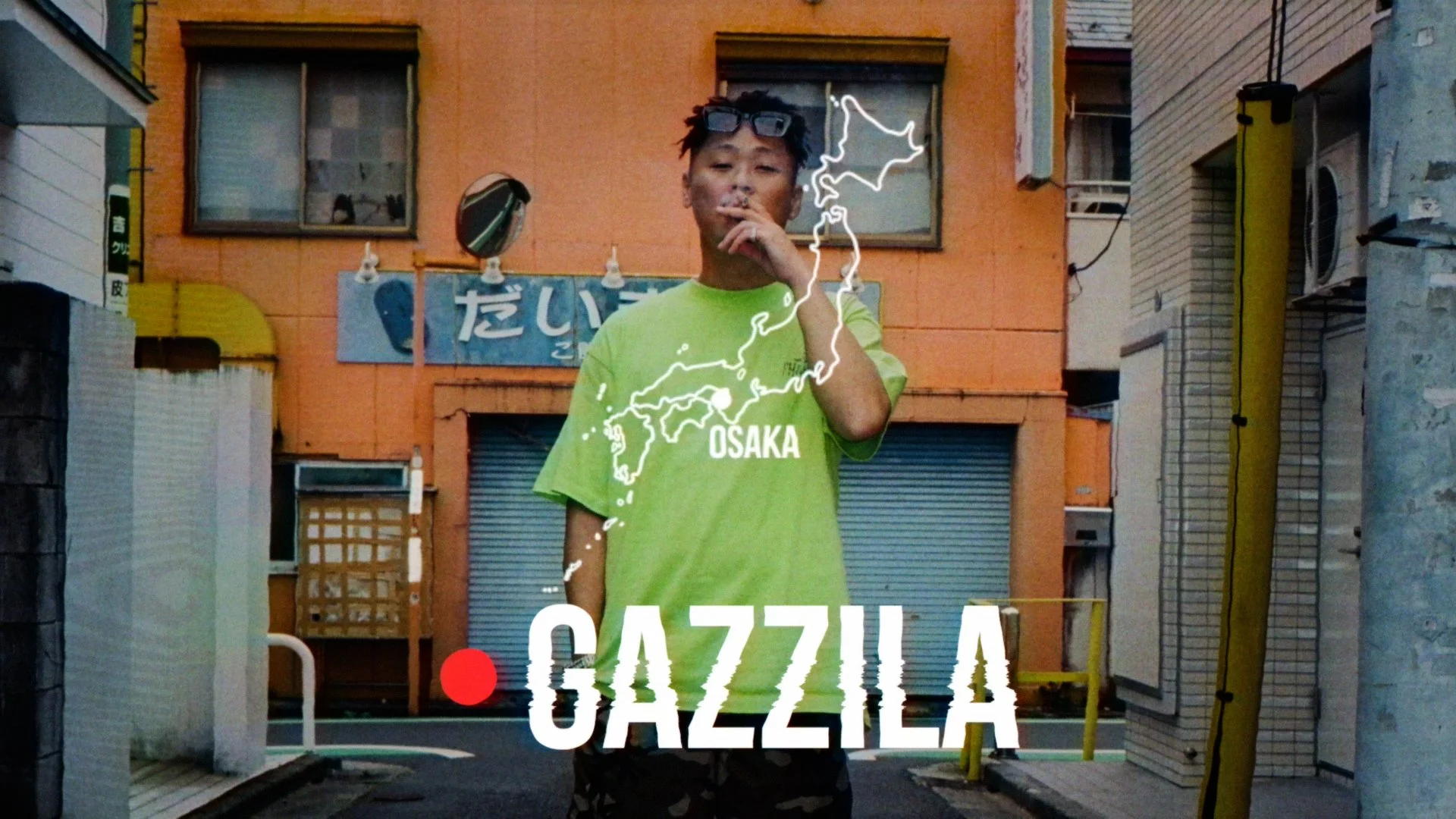
Meet GAZZILA, an Osaka-born rapper whose work is rooted in the city’s street culture, underground clubs, and the uncompromising traditions of Kansai hip-hop. Emerging from Osaka’s east side and shaped by the energy of the city’s Minami district, GAZZILA came of age during a formative period for Japanese rap, when regional scenes were developing distinct identities beyond Tokyo’s cultural center. His music reflects that environment: direct, unfiltered, and deeply connected to place. Beginning his creative life through BMX and skate culture before turning to rap, GAZZILA developed an approach grounded in lived experience rather than performance. His delivery is forceful but measured, driven less by spectacle than by conviction — emphasizing authenticity, regional pride, and the realities of the communities that shaped him. As a member of crews including H.B. FAMILIA and 420 FAMILY, GAZZILA became a fixture within Osaka’s underground hip-hop infrastructure, collaborating across rap and reggae circles while helping define a distinctly Kansai voice within Japanese hip-hop. His work stands as part of a lineage that values credibility, lyrical precision, and commitment to community over commercial visibility. For decades, GAZZILA has remained a respected presence within Japan’s rap landscape — an artist whose influence extends beyond records through live performance, collaboration, and his enduring connection to Osaka’s hip-hop culture.
-
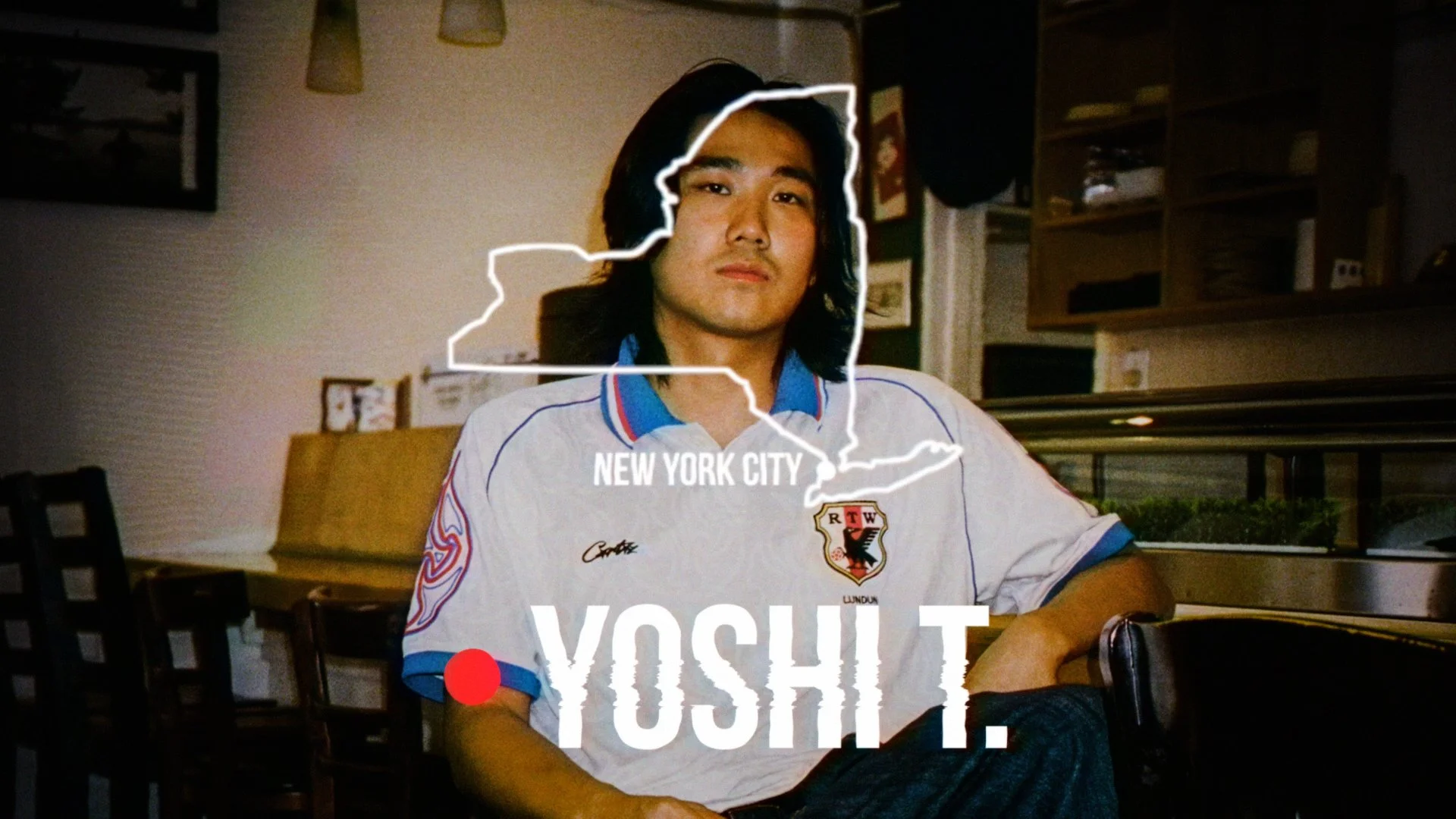
Meet Yoshi T, a Japanese-American artist based in New York City whose work moves fluidly across rap, production, and visual art. Emerging from NYC’s independent music scene, Yoshi T built early momentum through house shows, live performances, and a steady stream of releases, establishing a presence within the city’s creative underground. His sound blends contemporary Hip-Hop, Pop, and R&B, shaped by a multidisciplinary approach that extends into visual art and creative direction. As his profile developed, Yoshi T became part of a collaborative community of emerging New York artists including Cisco Swank, Elijah Judah, and Jackson August, contributing to a wider creative ecosystem centered around the collective WHATMORE. That momentum culminated in his debut EP SANDBOX, led by the single “MCQUEEN.” The project marked an early defining statement in his catalog, followed by subsequent releases including the standalone single “MAYBE NEXT YEAR,” as he continued refining his voice and sonic identity. His work has also extended beyond traditional genre boundaries through collaborations such as “TIME&PLACE” with Younger Hunger and James Mantis, as well as his appearance on Cisco Swank’s debut album More Better on the track “No Funny (feat. Yoshi T.).” In late 2023, he released his sophomore EP HOW TO GET BACK, a five-track project exploring themes of identity, relationships, self-confidence, and personal growth.
-
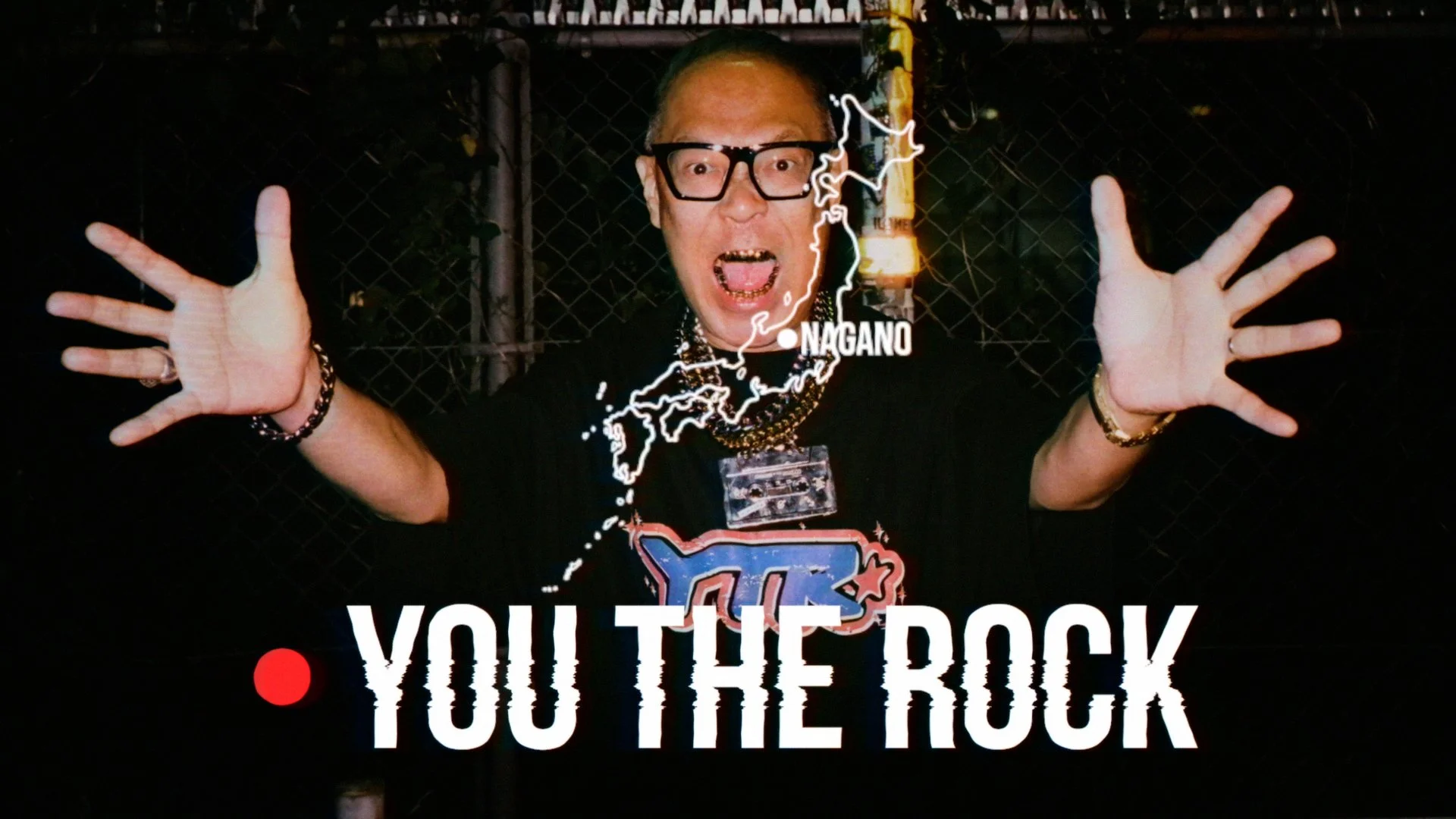
Meet YOU THE ROCK★, one of the pioneering MCs whose voice helped define Japanese Hip-Hop during its formative years and whose influence continues to resonate across generations. Born in Nagano and emerging from Tokyo’s club scene in the late 1980s and early 1990s, YOU THE ROCK★ became one of the first Japanese rappers to achieve widespread recognition while remaining deeply rooted in Hip-Hop culture. His landmark 1996 major-label debut, The Soundtrack ’96, helped bring Japanese Hip-Hop to a broader audience, while his commanding stage presence, lyrical style, and unwavering commitment to the craft earned him lasting respect throughout the scene. Across a career spanning more than three decades, YOU THE ROCK★ has collaborated with many of Japan’s most influential artists, appeared on seminal recordings, and continued releasing new music, including his acclaimed 2021 album WILL NEVER DIE. His career reflects both the evolution of Japanese Hip-Hop and the enduring spirit of an artist who has remained dedicated to the culture from its earliest days through the present.
-
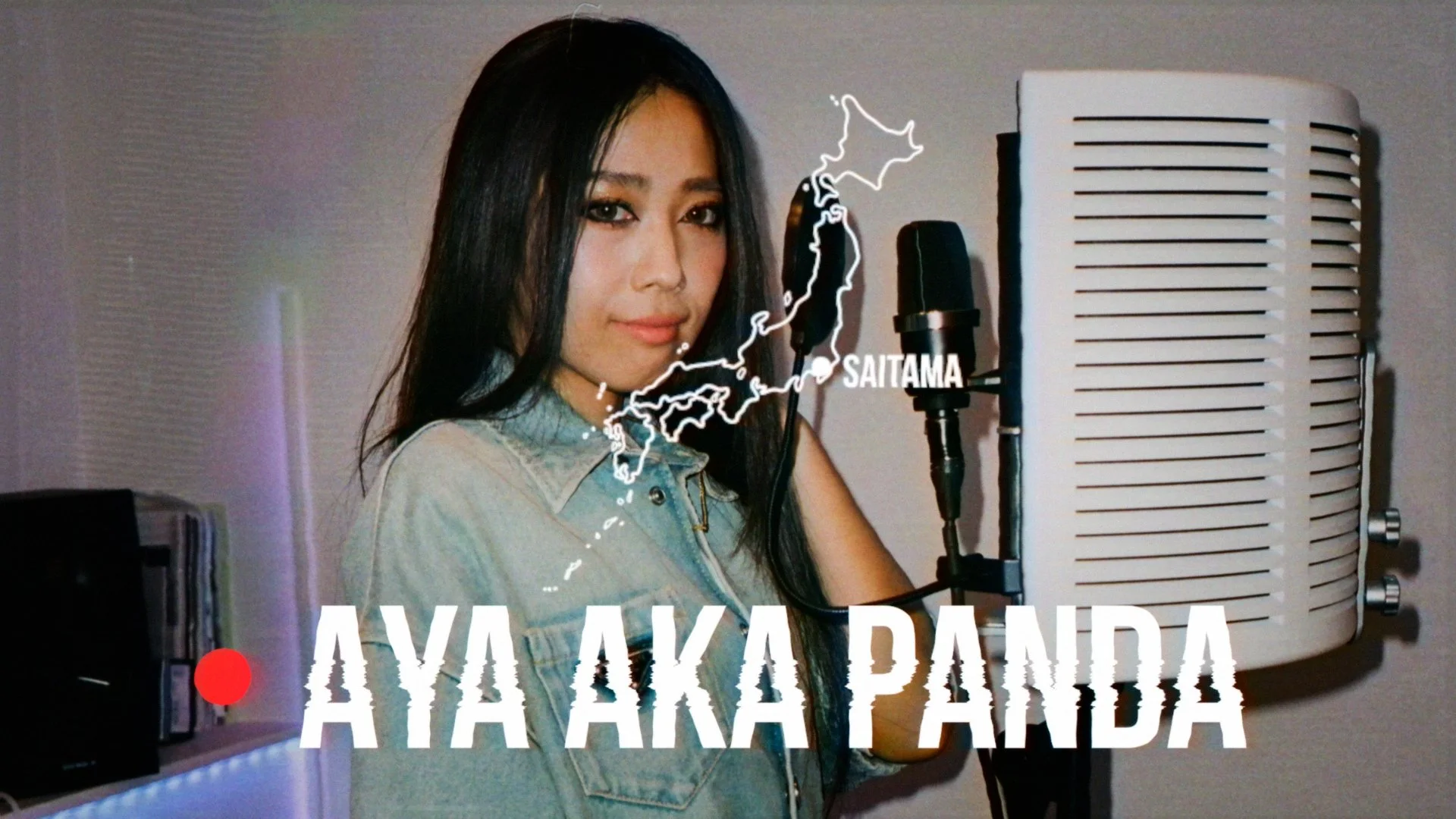
AYA a.k.a.PANDA is a rapper, songwriter, and multidisciplinary artist whose career reflects the many paths that can lead into Hip-Hop culture. Born in Saitama, AYA a.k.a.PANDA first discovered Hip-Hop after watching 8 Mile in 2003. She initially immersed herself in the culture as a B-girl before building a career as a Hip-Hop writer under the name AYA-PANDA, covering rap, dance, and street culture for some of Japan’s leading publications. That deep connection to the culture eventually led her to the microphone, where her blend of melodic vocals, sharp lyricism, and honest storytelling established her as a distinctive voice in Japanese Hip-Hop. Over the years, AYA a.k.a.PANDA has collaborated with a wide range of artists, performed across Japan, and continued evolving as an independent artist while remaining deeply connected to the culture that first inspired her. Her journey reflects the many ways Hip-Hop can shape a life, not only as music, but as community, creative expression, and a way of finding your own voice. Following the release of her 2024 album Aster, AYA a.k.a.PANDA has continued releasing new music and performing, including her 2026 single I like my life. More than two decades after first discovering Hip-Hop, she continues to carve out her own lane while staying true to the culture that gave her a place to begin.
-
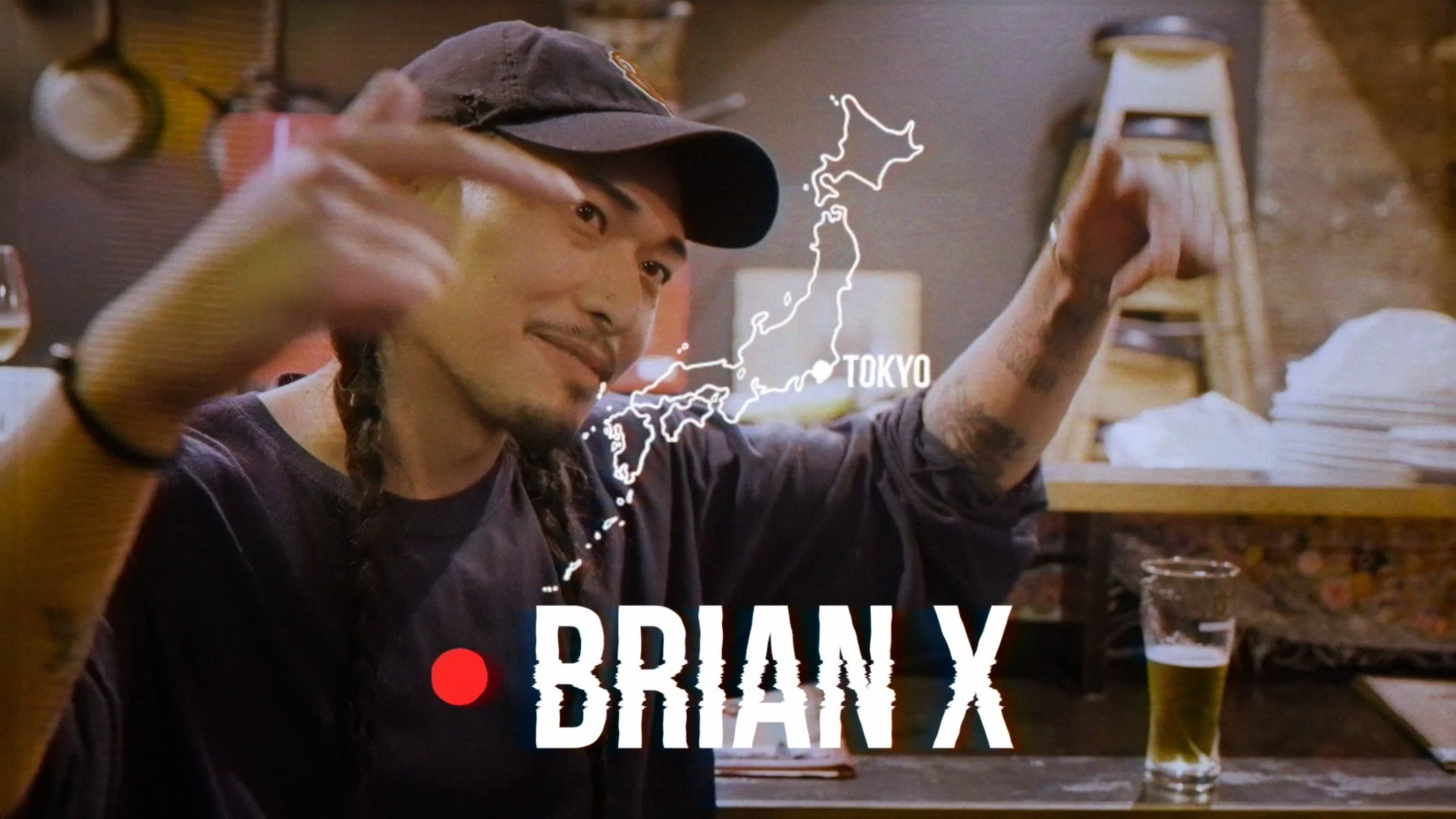
Meet Brian X, a Tokyo-based DJ, producer, and lifelong student of Hip-Hop whose deep knowledge of the culture has made him a respected voice within Japan’s underground scene. Raised in Shibuya’s legendary Udagawacho district, Brian X came of age surrounded by the record stores that helped establish the neighborhood as the epicenter of Japan’s Hip-Hop movement. Since his teens, he has immersed himself in old school Hip-Hop, soul, and funk, developing a style rooted in crate digging, musical knowledge, and a profound respect for the culture’s foundations. After years performing throughout Tokyo at influential venues including Organ Bar and CLUB Harlem, Brian X joined forces with MC J Mike to form Jugem Brudda. Together, the duo fuses classic Hip-Hop sensibilities with original production, culminating in the release of their debut project, Supernatural Shamanism, in 2023. Whether behind the decks, crafting beats, or preserving Hip-Hop’s legacy through music and conversation, Brian X continues to bridge the culture’s past and present, demonstrating how its influence has taken root far beyond its birthplace.
-
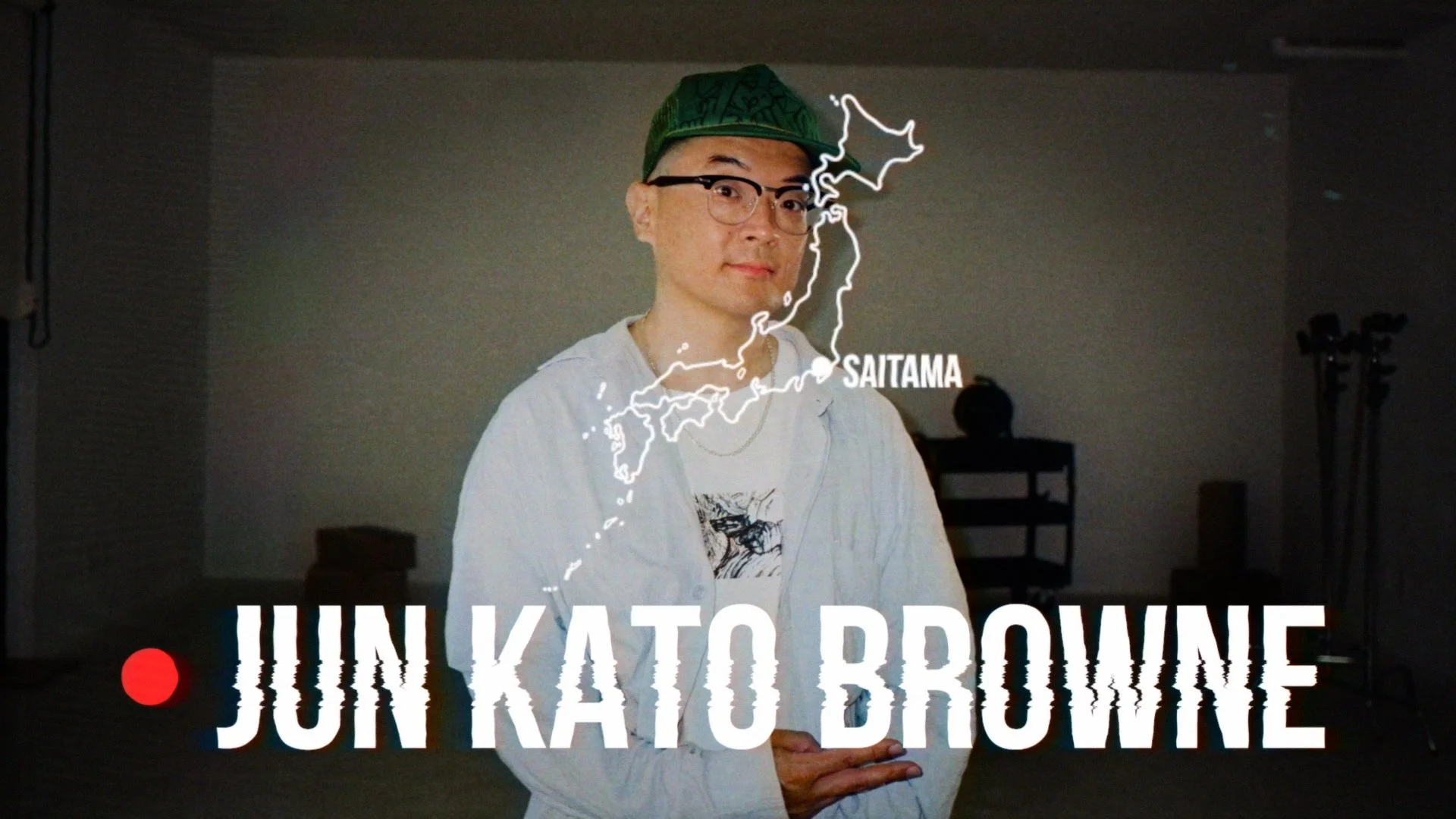
Meet Jun Kato Browne, a Tokyo-born filmmaker, bookstore owner, and longtime documentarian whose life and work are deeply connected to Hip-Hop in Japan and NYC. Jun discovered Hip-Hop in the late ’80s/early ’90s through friends and artists like Rob Base. Drawn to DJing, he began collecting records and connecting with fellow diggers, including Muro, while building relationships with DJs, MCs, dancers, and writers across Tokyo and New York. As a filmmaker, Jun has documented artists and moments across the culture, including an Eric Haze documentary for SOPH./F.C.R.B., work with Afrika Baby Bam of Jungle Brothers, and numerous videos for Muro. His “Made in Japan 2004” video won Best Hip-Hop Music Video in 2004. His filmography spans Japan and the U.S., with projects featuring DJ Roc Raida, Showbiz & AG, Lord Finesse, Edan, Percee P, Rasheed Chappell, Zen La Rock, DJ Hazime, Goriki, DEV LARGE & NIPPS, Twigy, and the late Mr. Complex. Jun also hosted a Hip-Hop segment on Space Shower TV, where he filmed conversations with figures including Big Daddy Kane, Lord Finesse, Ricky Powell, and Edan. His work also includes DJ Preservation’s “O,” featuring Jim Jarmusch reciting a poem by GZA of Wu-Tang Clan. From collecting records in Tokyo to documenting Hip-Hop in NYC, Jun-san’s story reflects how the culture travels, connects communities, and develops its own identity.
-
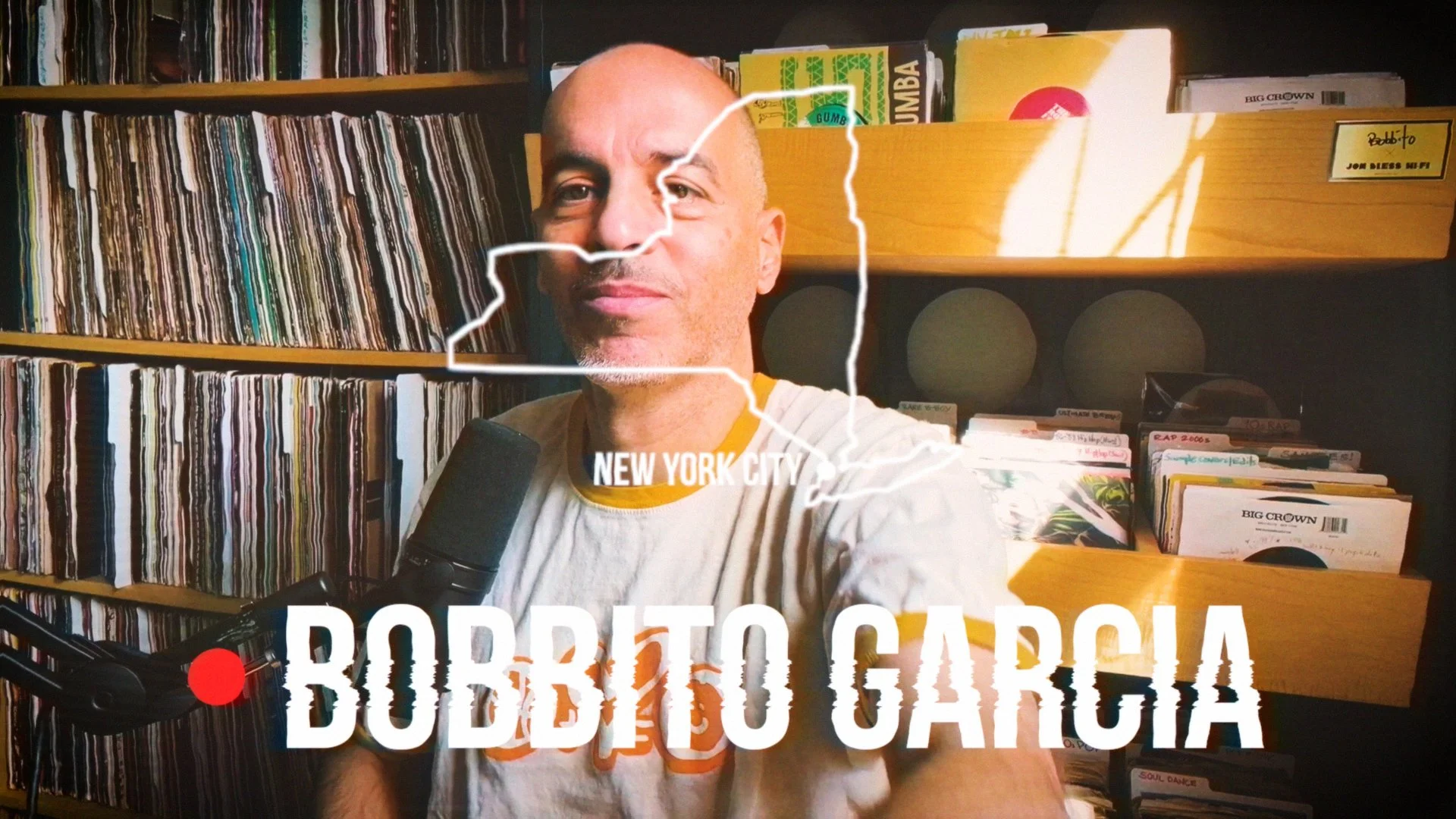
Meet Bobbito García, a New York-born cultural icon, DJ, writer, filmmaker, photographer, basketball player, historian, and documenter whose influence stretches across Hip-Hop, basketball, sneakers, and street culture. Bobbito has spent decades documenting and helping shape the worlds he came up in. Basketball, Hip-Hop, sneakers, independent music, radio, and film aren’t separate chapters in his story - they’re all part of the same cultural conversation.
For generations of Hip-Hop heads, he’s best known alongside DJ Stretch Armstrong for The Stretch Armstrong and Bobbito Show on WKCR-FM. From 1990 to 1998, the late-night program became a crucial platform for underground Hip-Hop, giving early exposure to artists including Nas, The Notorious B.I.G., Jay-Z, and Wu-Tang Clan.
His influence on sneaker culture is just as deeply rooted. His 1991 Source piece “Confessions of a Sneaker Addict” helped establish sneaker journalism as a serious cultural conversation, followed by his book Where’d You Get Those?, chronicling New York City’s sneaker culture from 1960 to 1987. Bobbito has described himself as a historian, documenter, and ambassador of the culture.
From founding Fondle ’Em Records to documenting New York’s playgrounds in Doin’ It in the Park and telling the story of his legendary radio show in Stretch and Bobbito: Radio That Changed Lives, Bobbito has consistently found ways to preserve, amplify, and connect the culture around him.